Pinterest promised a blended honey halo on my dark hair. What showed up in the bathroom mirror looked like someone had highlighted a striped scarf and wrapped it around my head. After the third fix, I learned where stylists steal their light and how to fake that soft regrowth without daily toner panic.
This list is for people who want believable blonde on dark hair, low-maintenance between appointments, and options that work across straight, wavy, and curly textures. Most looks are salon-level but doable on a budget, some require a colorist and others are weekend projects, and I call out who should skip heat or add a bond builder.
1. Piecey Face-Framing Balayage
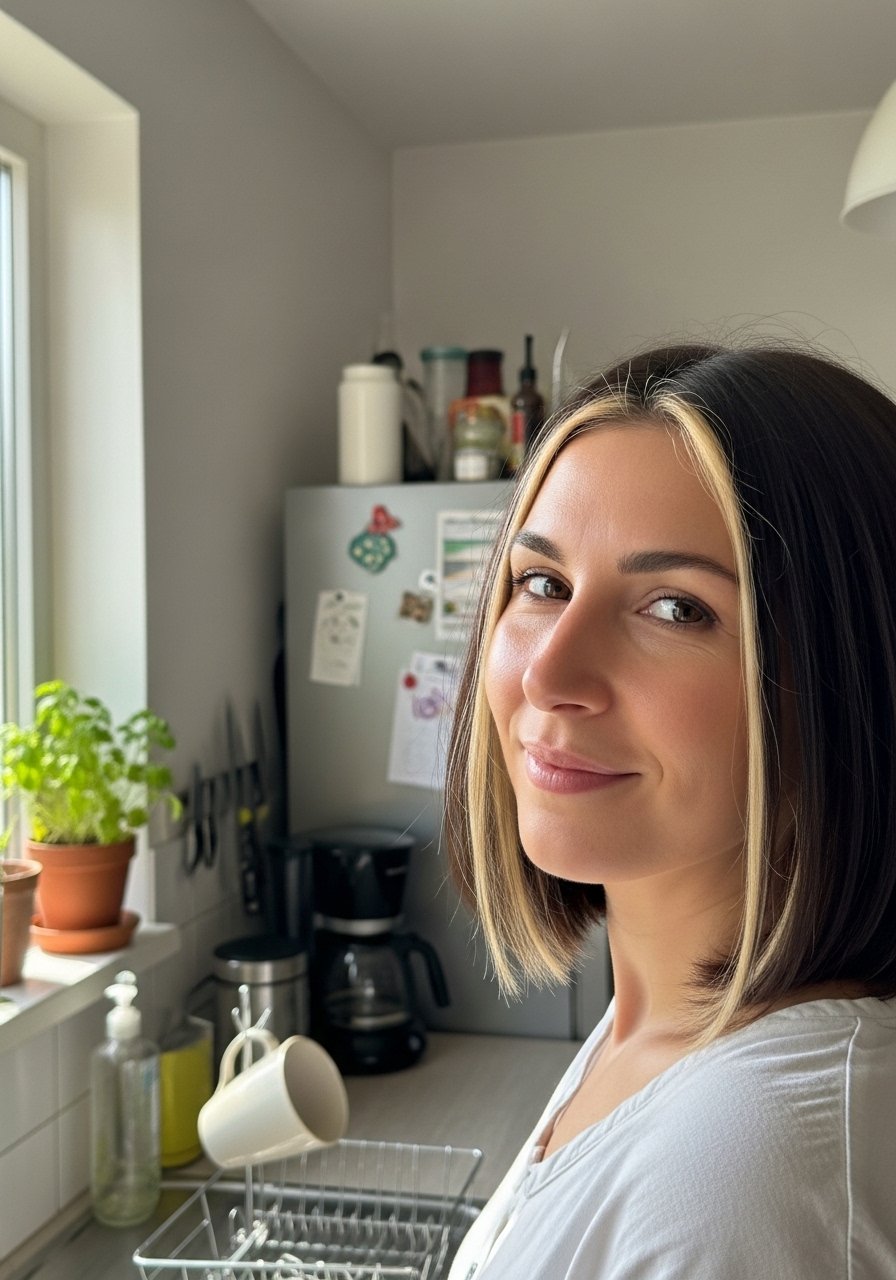
The trick with face-framing pieces is restraint, paint with a 1/4-inch tooth separation so highlights read soft in photos and real life. It brightens the complexion without lifting the whole head, good for anyone nervous about commitment and quick in a salon visit. For DIY, use a balayage brush like the balayage brush and a 20-volume developer to aim for a 3 to 4 level lift on the ends. Works well across four hair textures I have styled, but porous hair needs a bond product after lightening.
Mistake to Avoid: Painting wide swaths at the root so the "frames" look like chunky blond bangs.
2. Babylights for Soft Sun-Kissed Feel
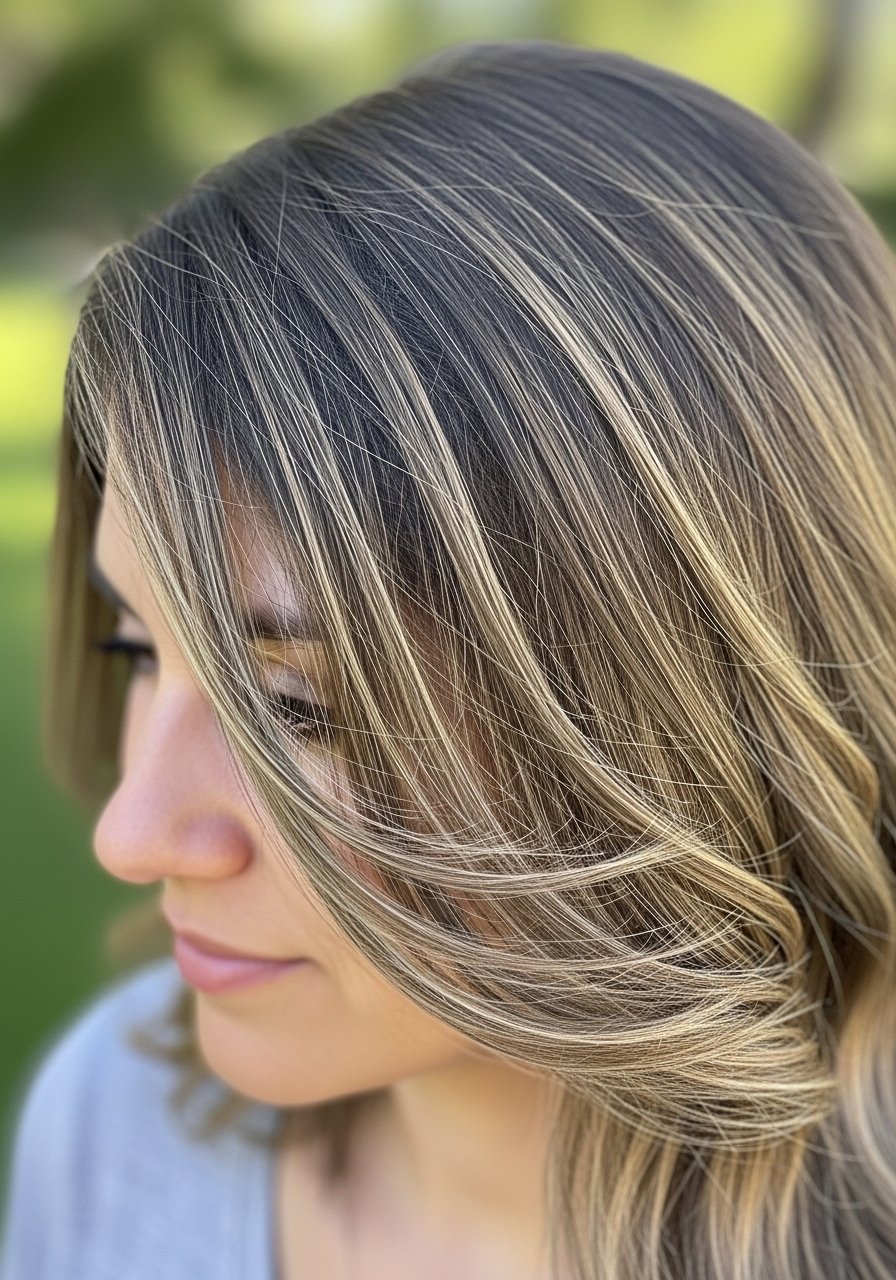
Babylights are fine, frequent slices painted almost like micro-hairline highlights. They work visually because the density mimics natural sun exposure. Expect the stylist to place foils 1/8 to 1/4 inch apart for delicate lift. This is low-drama and great for office-visible hair. If you experiment at home, space your painted slices thin and blend ends with a soft paddle brush. I recommend a purple shampoo like toning purple shampoo for mid-week maintenance and a gloss treatment for shine.
Mistake to Avoid: Leaving straight, blunt ends unblended so the babylights look like stripes.
3. Money Piece With Warm Blonde Peel

A money piece is a bolder, face-brightening slice that reads like a frame. For dark bases, ask for a warmer, caramel-blonde rather than platinum so the contrast feels intentional. The visual works because the eye travels to the face. This is a quick pick-me-up for anyone with medium to long lengths. At home, protect the warm tone with a sulfate-free shampoo and a shine oil like lightweight hair oil after styling.
Mistake to Avoid: Picking an icy blonde for the money piece on olive skin, which can make the face look washed out.
4. Root Shadow For Seamless Grow-Out

Root shadowing adds a thin band of darker color at the root line to soften contrast and make grow-out graceful. Technically, a stylist paints a 1 to 1.5 inch shadow at the crown with a demi-permanent toner. The effect is lived-in and cozy, great for busy people who hate frequent touch-ups. For longevity, pair with a color-depositing conditioner like color-deposit conditioner to refresh lowlights between salon visits.
Mistake to Avoid: Leaving a hard demarcation between shadow and light ends without feathered blending.
5. Money-Saving Gloss Over Lightened Tips
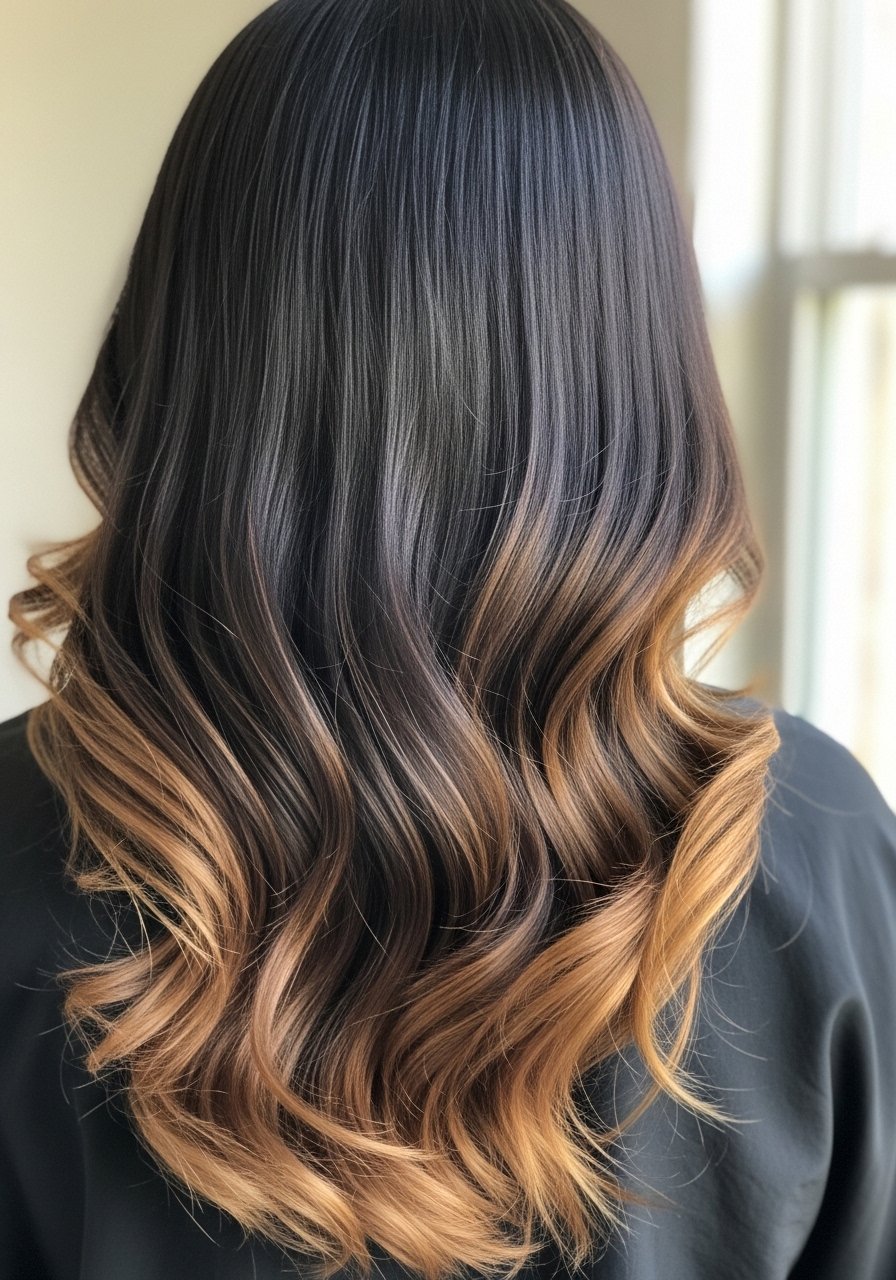
A clear or tinted gloss applied after lightening evens tone, adds warmth, and tucks stray brassy notes in. It lasts three to six weeks depending on wash frequency. Glossing saves money because it extends time between toning appointments. I once retouched a set of highlights then glossed with a warm caramel glaze and it looked fresh for six weeks. For home refreshes, a glossing kit like at-home gloss kit works for low-commitment colorists.
Mistake to Avoid: Using gloss as a permanent fix for heavy brass, when real tone correction needs lift plus toner.
6. Face-Frame Balayage With Low-Heat Styling
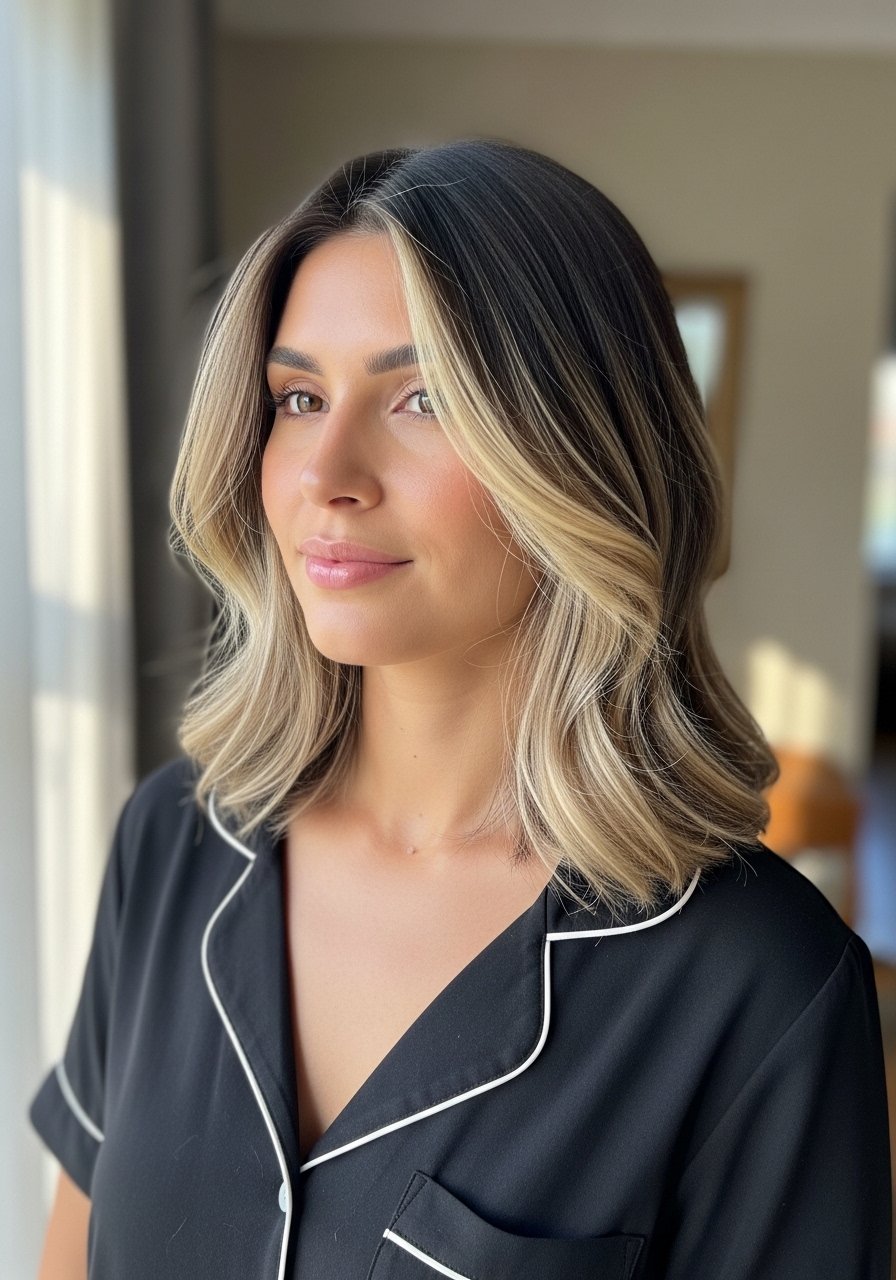
If your hair is damaged or fine, ask for a softer lift and rely on styling to sell the color. I air-dried once-weekly after a gloss and used a 350-degree tool for curls instead of 400 degrees. The color reads warmer and healthier when the cut layers and wave pattern complement paint placement. Use a heat-protectant spray like heat protectant spray and set tools low for fragile hair.
Mistake to Avoid: Cranking heat to fake vibrancy, which speeds tone fade and makes ends frizzy.
7. Partial Balayage for Subtle Brightening

Partial balayage covers the top two-thirds of the hair and leaves the underside dark. It gives dimension without lightening every strand. This approach is quick in the chair and great for shoulder-length or shorter hair. The visual outcome is a framed brightness that photographs well from the front. For home care, a bond-repairing leave-in like bond-building treatment helps hair handle the lift.
Mistake to Avoid: Painting too heavily at the nape so the partial effect disappears and becomes an undercut highlight.
If any of these ideas have you ready to actually try something, here are the products I reach for most.
At-Home Balayage Maintenance Kit
Coloring Tools:
- Balayage brush (~$8-15). Precise tip that helps with thin slices.
- Tint bowl and applicator (~$10-18). Cheap, useful, and reusable.
Color Care:
- Purple shampoo (~$12-22). Controls brass between toner sessions.
- Color-deposit conditioner (~$15-25). Quick mid-week refresh.
Repair & Styling:
- Bond-building treatment (~$20-35). Strength after lift.
- Lightweight hair oil (~$12-20). Adds sheen without weight.
- Heat protectant spray (~$8-18). Use on damp hair before styling.
Tools:
- Wide-tooth comb (~$6-12). For gentle detangling wet hair.
- Sectioning clips (~$7-14). Help with consistent painting.
8. Shadow Root With Gloss Toner Touch-Up

Shadow roots pair with a gloss toner applied to mid-lengths and ends to create dimension and neutralize brass at once. Stylists often mix a demi-permanent toner in a 1:1 mixing ratio with developer to gently deposit color. The result is lived-in and ideal for someone who washes once or twice a week. For at-home maintenance, a clear gloss between salons keeps reflections even. This is budget-friendly if you skip full rebleaching.
Mistake to Avoid: Applying toner too close to the scalp so the root loses depth and everything looks flat.
9. Piecey Balayage For Curly Hair
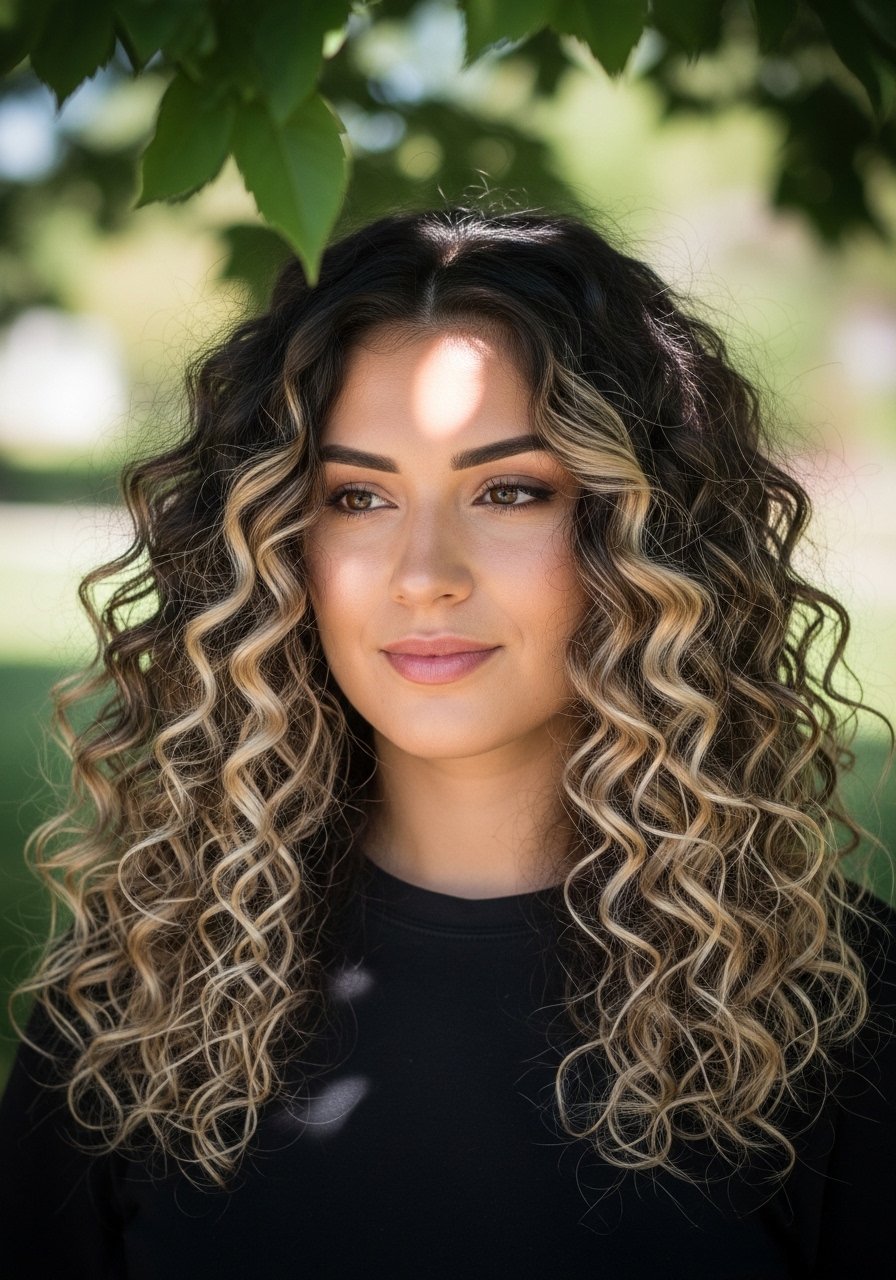
Curly hair reads highlights differently because curls catch light. Place color on outer curl faces and avoid saturating strand cores so curls keep spring. I learned this from a colorist at my local salon who showed me how 20 percent placement gives a natural sun-kissed look. Use a bond builder before lift and a sulfate-free moisturizing shampoo after. This approach is low-maintenance for coil patterns and tight curls when you avoid heavy foiling.
Mistake to Avoid: Lightening an entire curl band which can make texture look limp and straw-like.
10. Glossy Ash Blonde Balayage For Cool Skin

Ashy blonde on dark hair needs controlled lifting to avoid greenish or muddy tones. Stylists reach a lift of 4 to 6 levels then tone with an ash gloss. The visual is cooler and elegant, good for fair or cool undertones. For upkeep, a blue-toned conditioner like blue-toned conditioner helps. If you are new to ash tones, budget for a dedicated toner visit after initial lift.
Mistake to Avoid: Trying to ash dark hair with only purple shampoo, which cannot replace proper toning.
11. Contrast Lived-In Balayage For Short Hair

Short hair needs fewer slices but smarter placement. Paint highlights where the cut flips or parts so the color reads like dimension, not chunks. Partial placement takes 15 to 30 minutes more than a single-process color but is much fresher visually. This suits cropped cuts and is a lower-cost salon option because less hair is lightened. Use a lightweight oil to prevent ends from looking dry.
Mistake to Avoid: Painting too close to the crown on a short bob so highlights peak and look stripey.
12. Soft Ombre Balayage For Long Layers
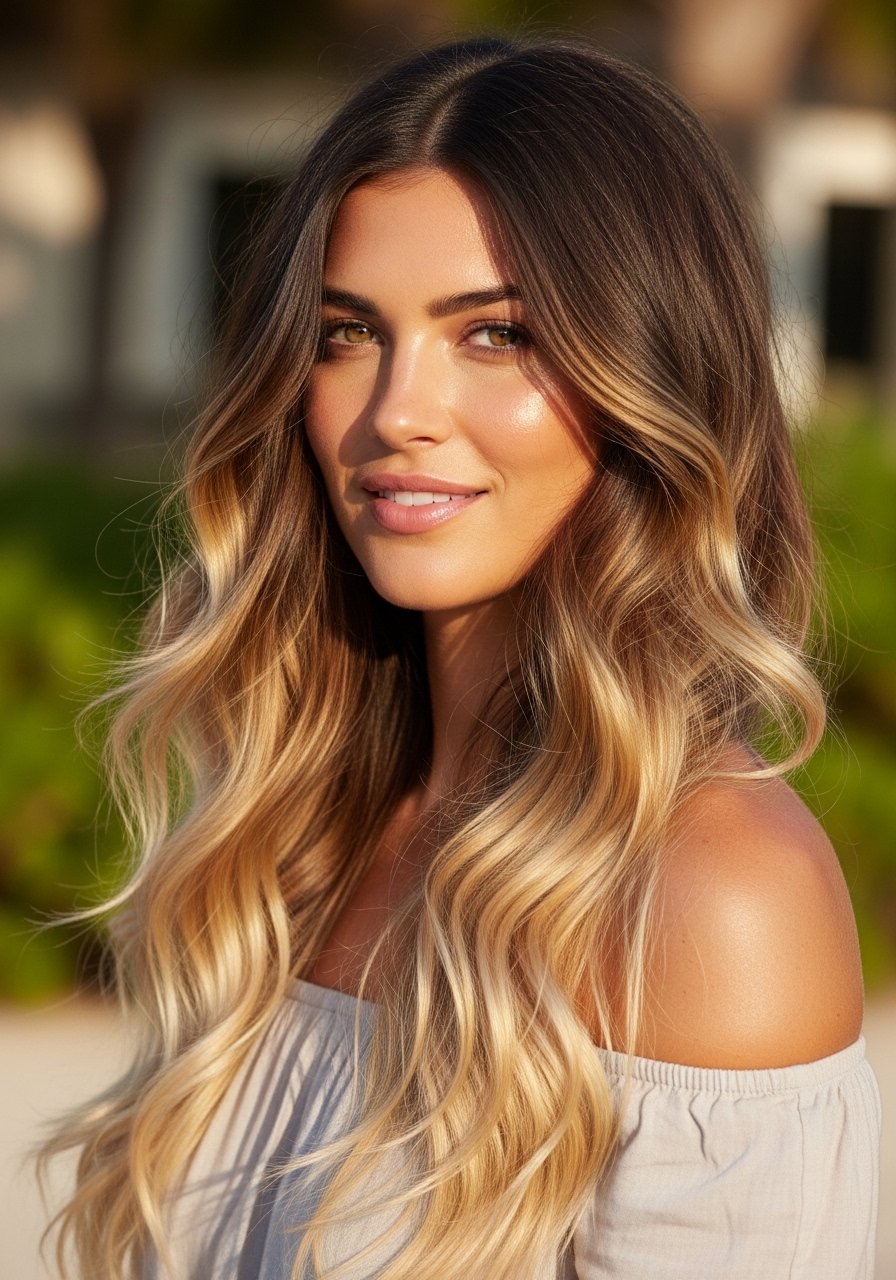
Ombre balayage creates a gradient from dark roots to lighter ends and suits long, layered hair. For a smooth transition, have the stylist feather the paint with fingers at a 45-degree angle and stop the lift at about 20 to 30 percent of the length near the midshaft. This look photographs with depth and moves well in motion. If you are maintenance-wary, go warmer to hide brass and stretch salon visits.
Mistake to Avoid: Asking for a hard mid-length line instead of a feathered blend, which reads like a bad dye job in photos.
13. High-Contrast Pieces For Dramatic Photos
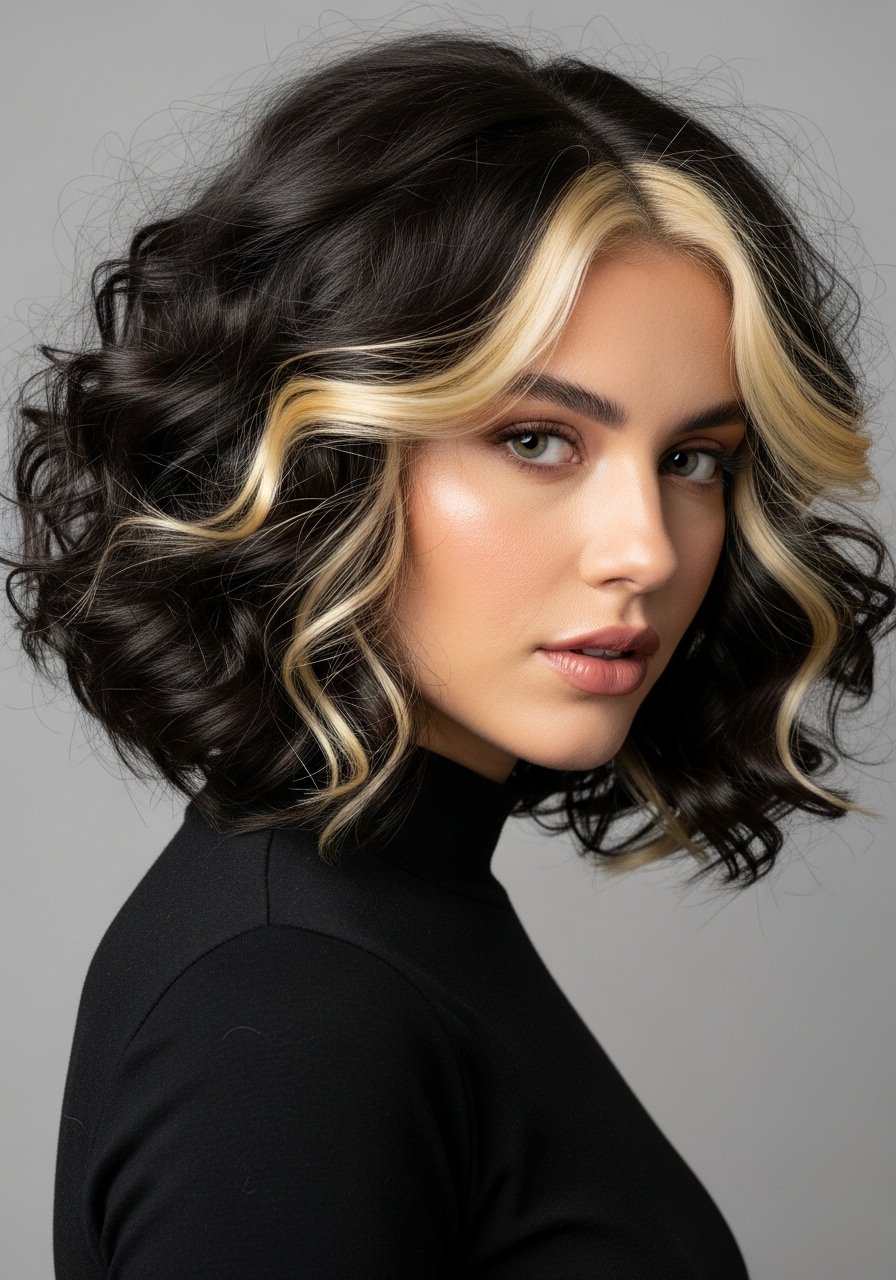
High-contrast slices are intentionally bold and photograph well on social media. The technique lifts select strands aggressively and trusts toner to finish. Expect visible regrowth sooner, so this is best for people who like the dramatic look and can commit to touch-ups. For photos, finish with a shine spray and low, controlled waves to show the contrast. This is a higher-budget option but gets the screenshot look.
Mistake to Avoid: Choosing high contrast without considering root regrowth schedule, which makes upkeep expensive.
14. Heat-Free Balayage Styling Tricks

If you refuse daily hot tools, the right haircut and a sea salt spray can activate balayage. Work product only into the painted faces of hair and scrunch to encourage S-shaped texture. Applying product in a 2:1 water to product spray helps spread product evenly. This is great for low-heat lifestyles and helps color pop without thermal stress.
Mistake to Avoid: Applying product only to roots, which leaves ends limp and the paint invisible.
15. Porosity-Smart Balayage Maintenance

Porous hair absorbs toner differently and fades faster. Test porosity by pulling a single strand before any chemical service, then ask the stylist to use a lower-volume developer or extra bond treatment for high porosity. For at-home care, a weekly protein mask and a hydrating mask in the opposite week help balance strength and moisture. Use a color-safe, sulfate-free system and a gloss every 4 to 6 weeks.
Mistake to Avoid: Treating all hair the same in the salon, which leads to overprocessing or rapid fade.
Keeping Grown-Out Blends Soft
Thin layers beat one thick slab every time. Work in shallow slices so color blends into natural base, and use a balayage brush to feather paint for a softer regrowth line.
Grab a bond-building treatment. Apply it immediately after lightening when you rinse in the salon or at home to reduce breakage and keep ends flexible.
Curly and coily textures show highlights on outer curl faces. For heat-free styling, plop curls with a microfiber towel rather than rubbing. A microfiber hair towel saves frizz and preserves color vibrancy.
Most people shampoo too often after lightening. Stretch to every other or third wash and use a color-deposit conditioner to refresh tone without salon time.