
Pinterest promised a perfectly symmetrical living room and a rug that made everything feel expensive. My reality had a too-small rug, a lamp in the wrong spot, and a gallery wall that looked like a to-do list. Over a few weekends I started swapping scale for intention and small edits beat big purchases more often than not.
These ideas are not about buying everything new, or copying a staged photo exactly. They are practical moves that create an elegant living room decor aesthetic you can actually sit in, on a budget and with limited tools. I tested several of these changes across three rentals, so rent-friendly fixes and small-scale swaps get priority. Expect straightforward timing, basic tools, and 1 to 2 product links per idea if you want to shop.
1. Layered Lighting Plan
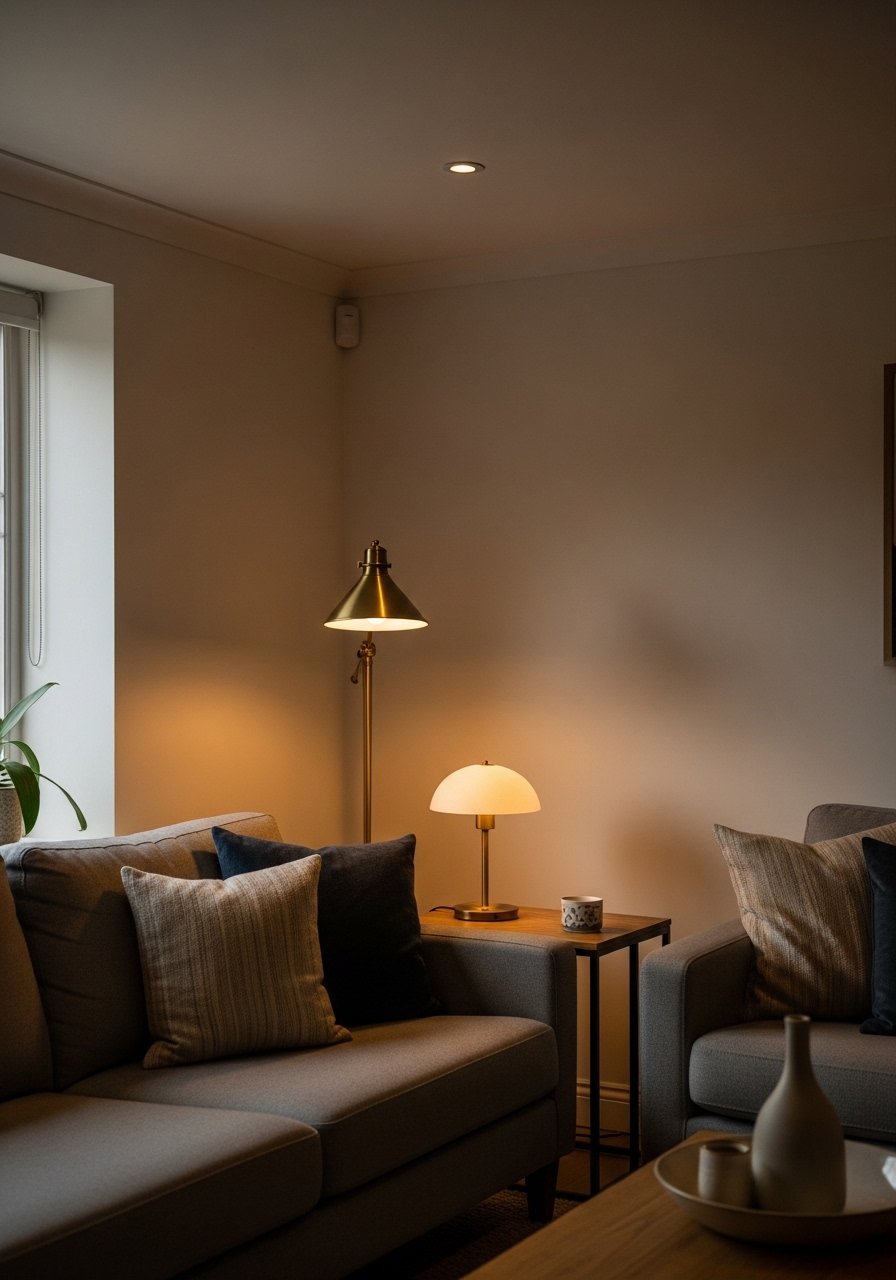
Lighting makes or breaks mood, so plan three layers, ambient plus task plus accent. Aim for a reading lamp at roughly armrest height so the bulb sits just above eye level when you are seated. Use soft bulbs around 2700K for an inviting cast. I keep a floor lamp near the sofa, a table lamp for side tasks, and a low accent lamp to wash a bookcase. One tip I learned the hard way is to dim each separately so the room reads as layered instead of flat. Try a dimmable brass floor lamp and a compact table lamp for budget flexibility.
Mistake to Avoid: Relying on a single overhead light that makes the room feel harsh and flat.
2. Rug Sizing That Anchors
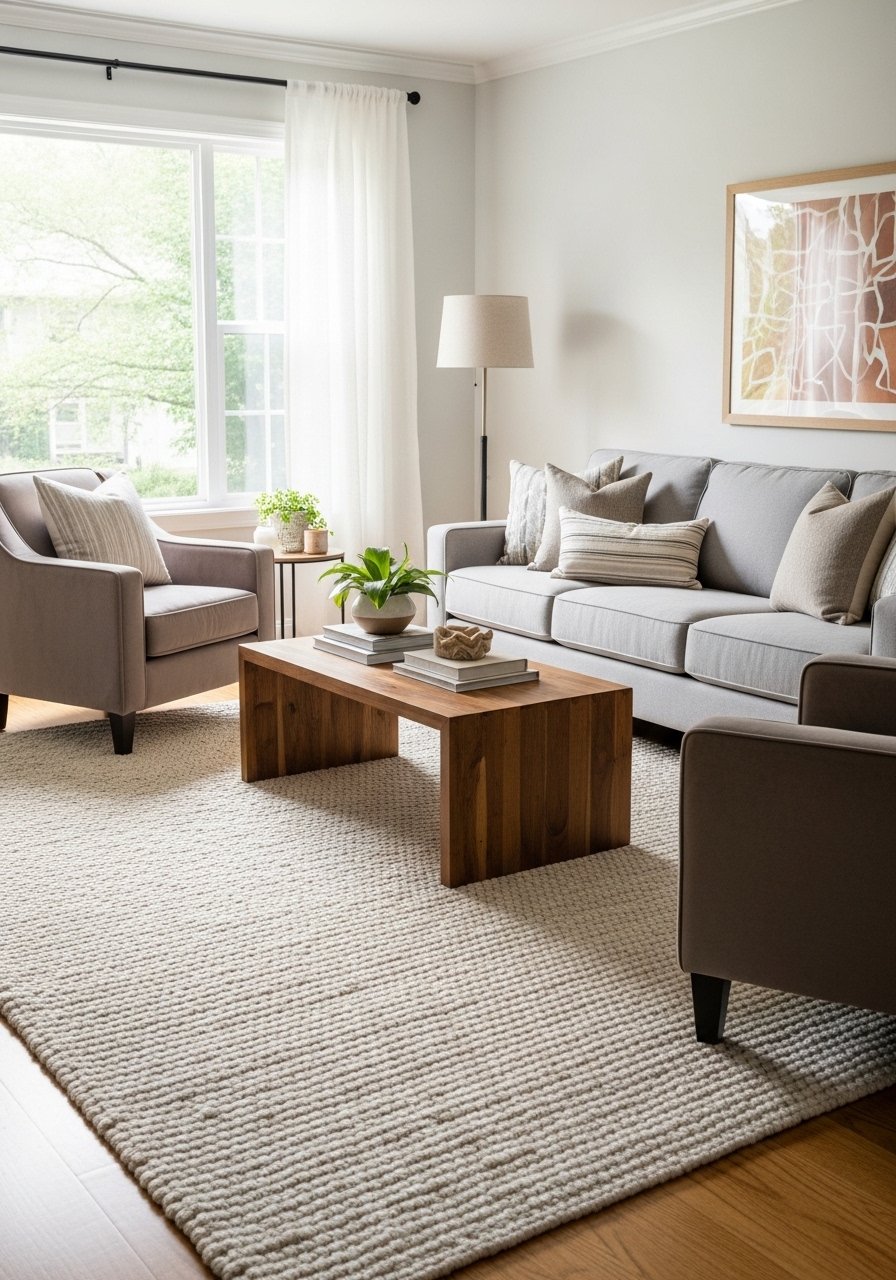
A rug that is too small makes the seating feel disconnected. As a rule try to have at least the front legs of the sofa on the rug and leave roughly 18 inches of visible floor between the rug edge and the wall when space allows. If the room is narrow, choose a rug that extends 6 to 12 inches beyond the coffee table so the seating reads as one zone. In one apartment I swapped a 5 by 7 for an 8 by 10 and the whole room stopped feeling chopped up. I picked a flatweave neutral rug that is durable and easy to clean.
Mistake to Avoid: Buying a rug that only fits the coffee table and leaves furniture floating off it.
3. Velvet Sofa as an Anchor Piece
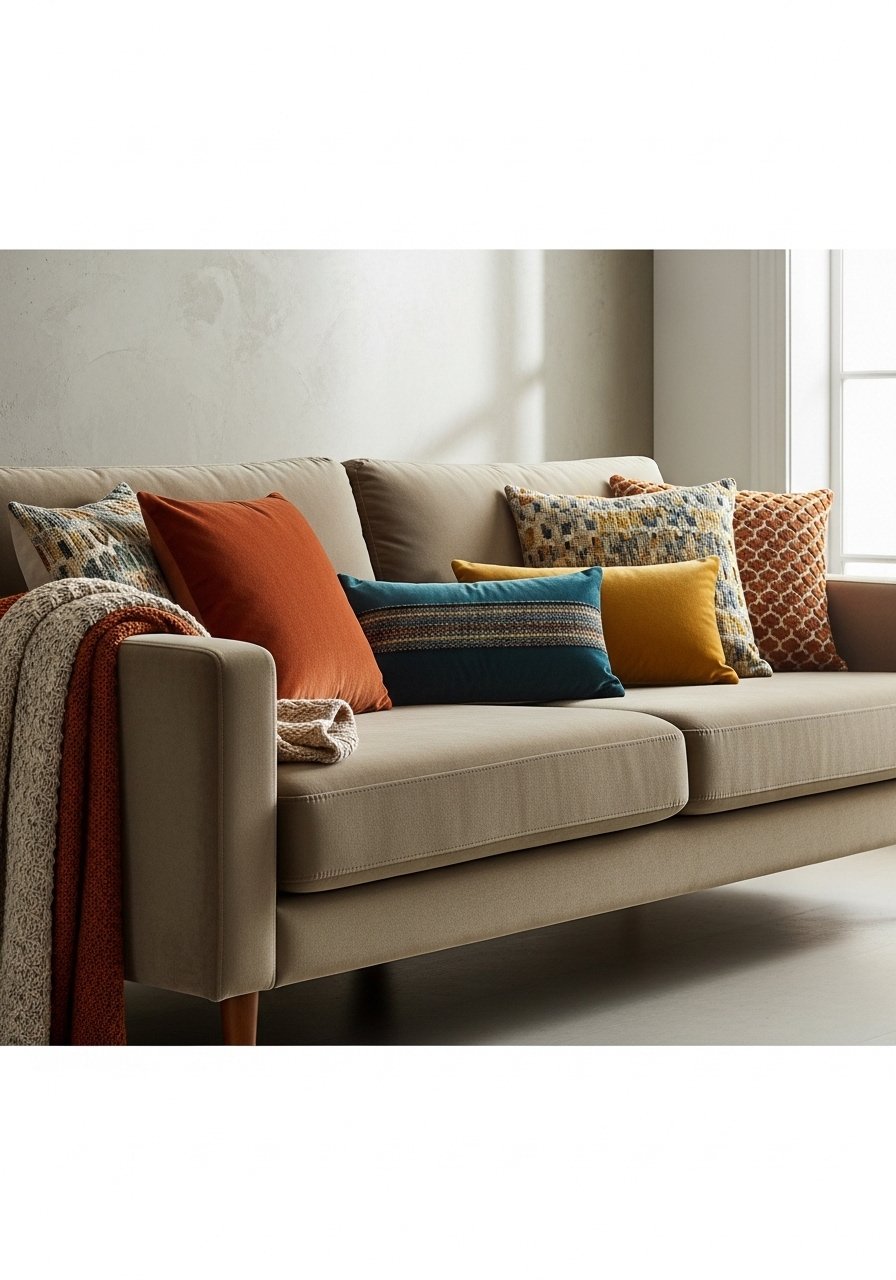
A velvet sofa reads elegant without being fussy, and it gives texture so you can keep other pieces simple. Go for a mid-toned color that hides daily life better than pure white. If a new sofa is out of budget, a well-fitted velvet slipcover or a high-quality cushion set shifts the vibe. Keep cushion sizes varied, use a heavier fabric throw for winter, and balance the sofa with a low coffee table to keep sightlines open. I swapped my polyester cover for a velvet one and the room felt pulled together overnight. Consider a velvet sofa slipcover for an affordable refresh.
Mistake to Avoid: Choosing velvet that is too dark or shiny for the lighting, which makes the room feel heavy.
4. Coffee Table Styling With Negative Space
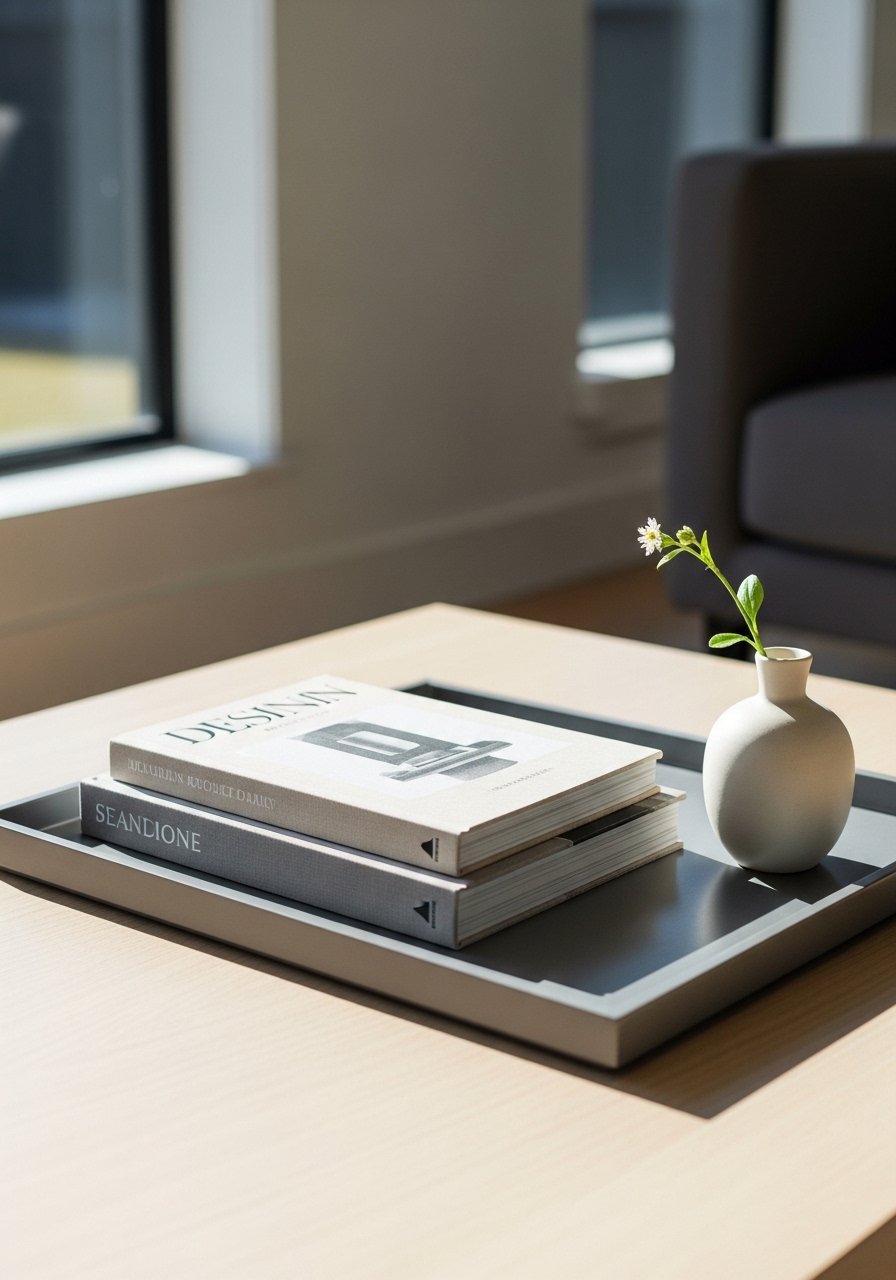
A styled coffee table should have breathing room. Group items in threes and vary heights so your eye has a place to rest. I aim for 30 to 40 percent of the tabletop intentionally empty. Use one low tray to corral smaller items, one taller object like a vase, and a layered stack of books. In practice I reduced clutter and it made the room feel calmer. For truly lived-in rooms pick pieces that also serve, like a tray that doubles as a catchall. A matte decorative tray and one hardcover design book will get you most of the way there.
Mistake to Avoid: Filling every inch with tiny decor objects that compete for attention.
5. Gallery Wall Centered Around One Anchor Piece
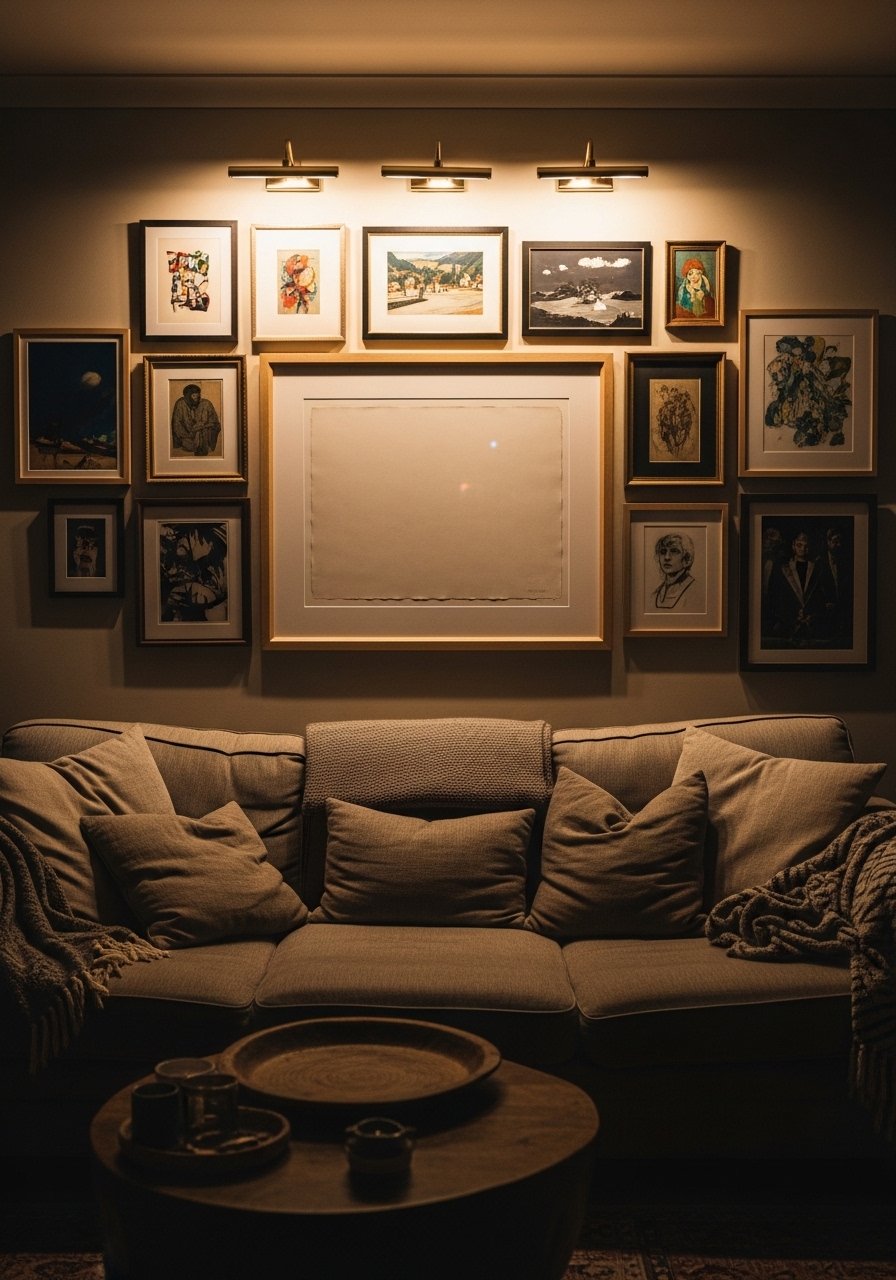
Start with one focal piece, then build around it. Hang art so the center of the composition sits about 57 to 60 inches from the floor for average sightlines. Keep spacing between frames tight, around 2 to 3 inches, not the wide gaps you see in staged photos. For renters, use removable hanging strips rated for the frame weight so you avoid patching holes later. I used a large print as my anchor and then mixed smaller frames in odd groups to keep it casual. For simple framing, try black picture frames and removable picture-hanging strips.
Mistake to Avoid: Trying to match everything exactly, which makes the wall feel manufactured instead of collected.
6. Layered Textiles for Depth
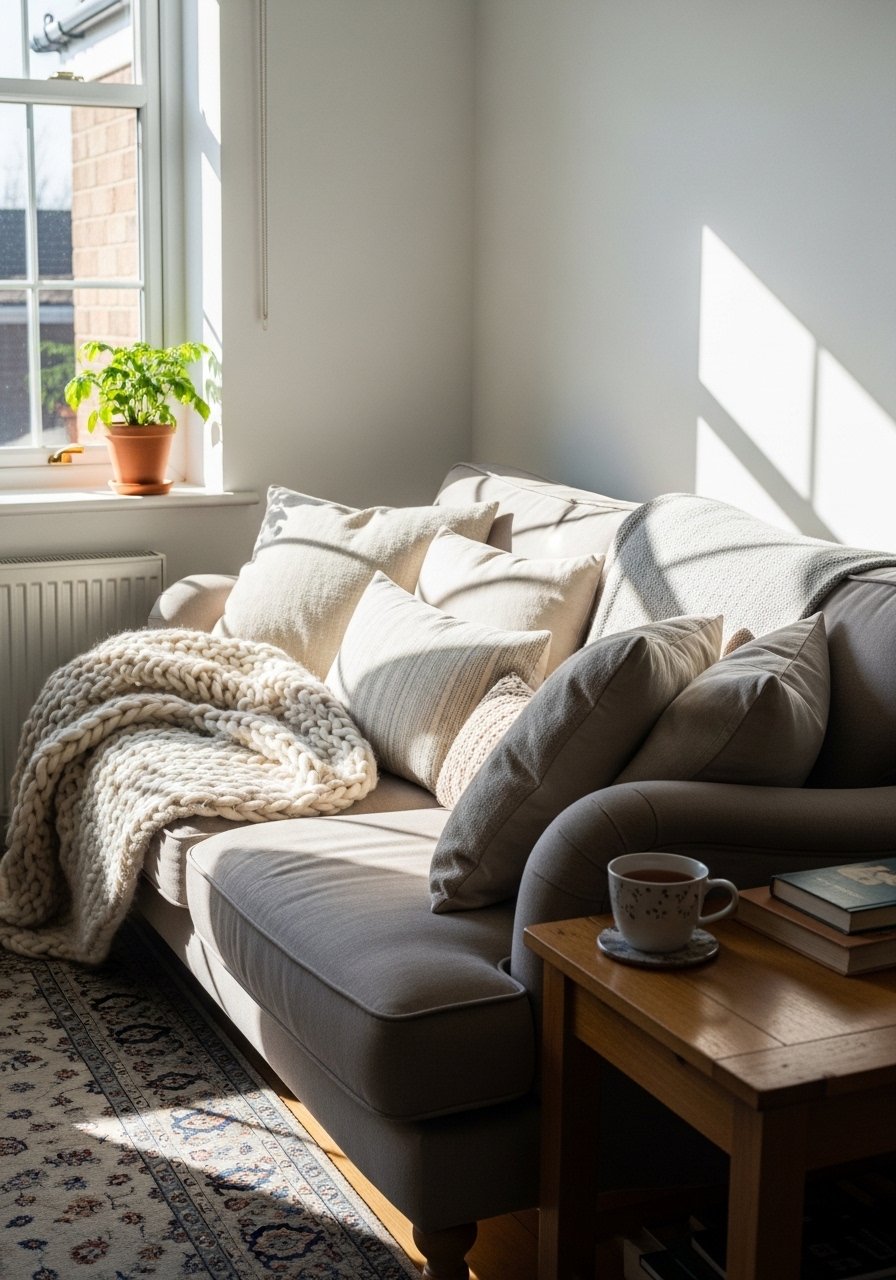
Swap out all-matching pillows for a mix in scale and texture. I aim for one oversized cushion, two medium plump pillows, and one smaller accent so the ratio reads relaxed and intentional. Mix linen, wool, and a plush knit, keeping colors in the same family. For practicality use removable covers that wash easily. In one rental I saved space and cost by buying a set of covers rather than new inserts. Good pillow covers like velvet pillow covers make a small budget feel elevated.
Mistake to Avoid: Buying too many small pillows that make the sofa look busy and uncomfortable.
7. Statement Mirror to Multiply Light
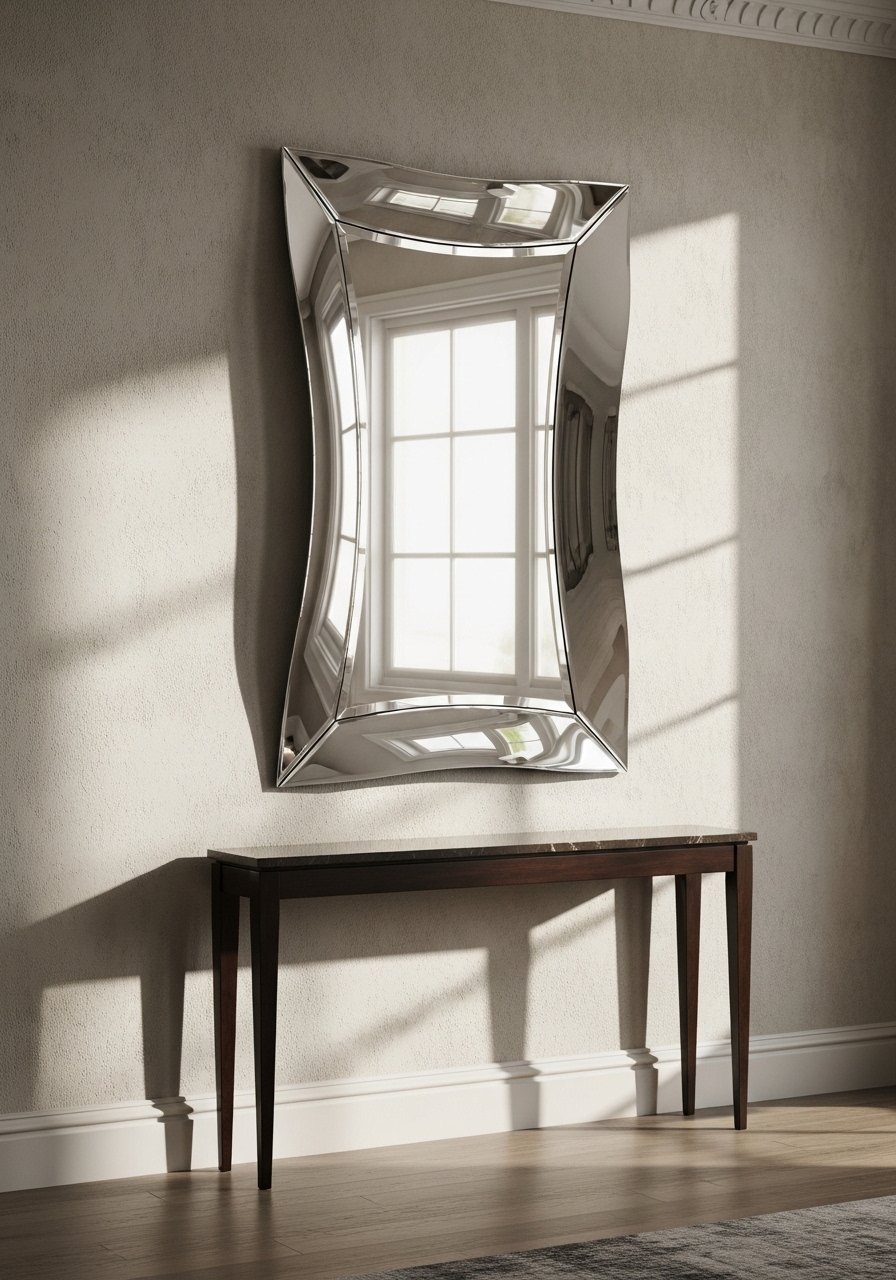
A well-placed mirror doubles incoming light and adds scale. For balance place a mirror across from a window or next to a darker wall. If mounting above a console pick a mirror at least two-thirds the width of the table below it so it feels proportionate. In studios I learned leaning a mirror adds a casual feel and avoids drilling into walls. A round or oval shape softens corners and reads elegant without being flashy. Consider a large wall mirror.
Mistake to Avoid: Hanging a mirror too high so it reflects ceiling instead of the room.
If any of these ideas have you ready to shop, here are the pieces I actually use across most of the setups.
Living Room Starter Buys
Textiles & Soft Goods:
- Velvet pillow covers (~$12-20), because swapping covers changes the whole look.
- Neutral flatweave rug (~$120-350), durable and easy to vacuum.
Lighting:
- Brass floor lamp (~$80-180), a warm anchor light.
- Ceramic table lamp (~$40-90), for task lighting.
Surfaces & Art:
- Matte decorative tray (~$25-60), for coffee table editing.
- Black picture frames (~$20-50), versatile for groupings.
Accessories:
- Large wall mirror (~$90-250), to double light.
- Removable picture hanging strips (~$8-18), renter-friendly.
8. Greenery That Reads Elegant
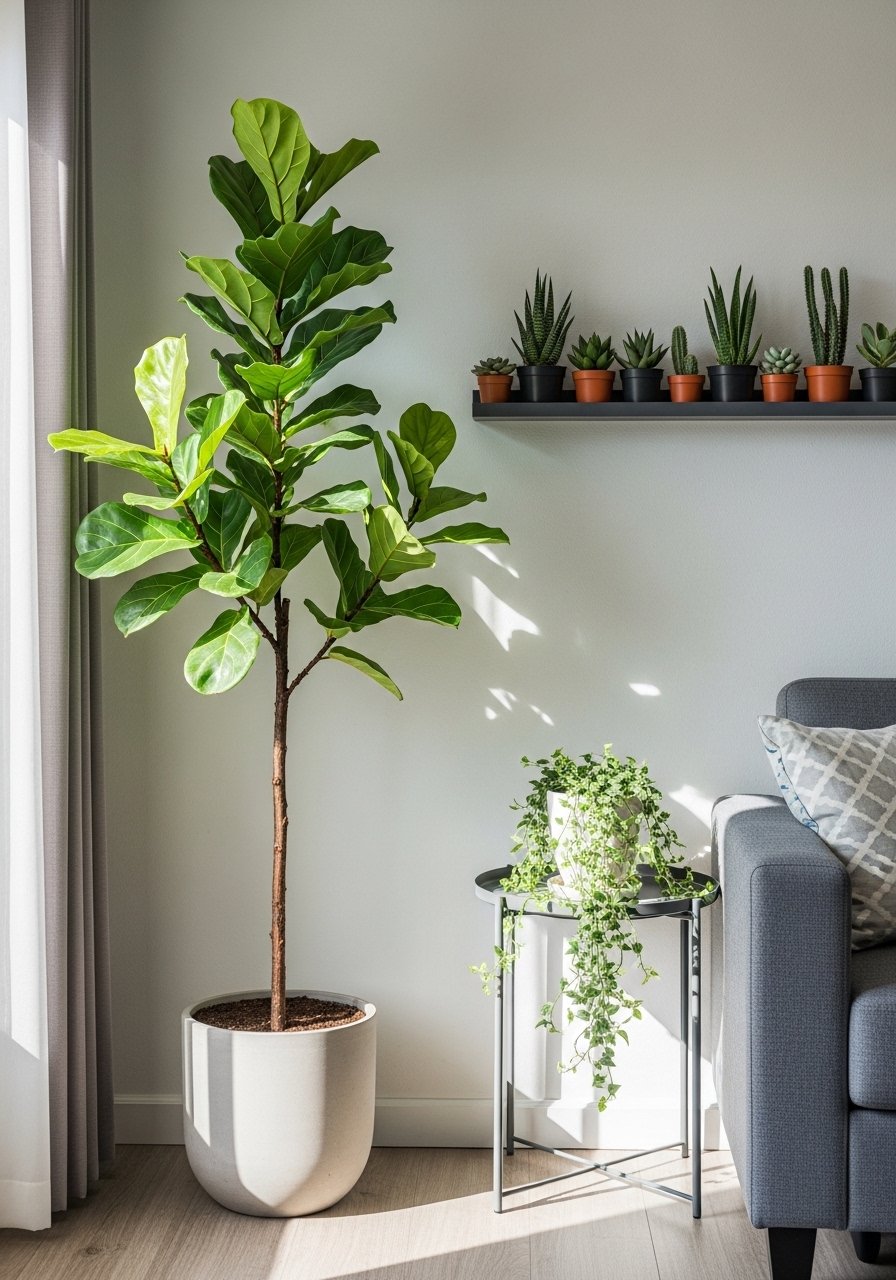
Plants anchor a room and add life, but scale matters. Use one tall plant to lift a corner and one small tabletop plant for contrast. If sunlight is limited choose a faux option that reads real from arm's length, or pick low-light species. Keep planters simple in matte finishes to maintain an elegant aesthetic. I learned not to scatter a dozen tiny pots. Instead pick two well-placed plants and rotate seasonally. A simple modern planter makes even a basic green look intentional.
Mistake to Avoid: Filling every surface with tiny pots that create visual noise instead of calm.
9. Sculptural Side Tables for Balance
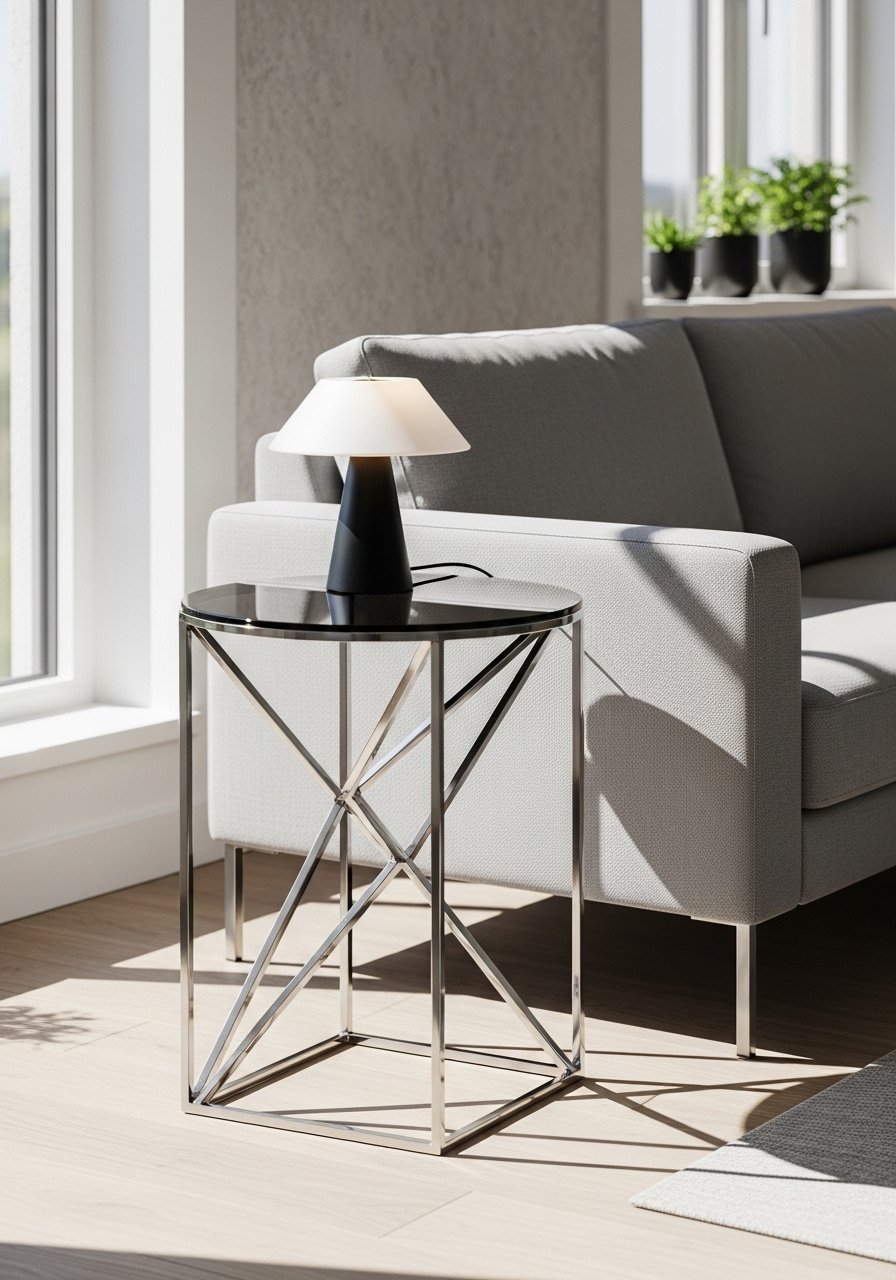
A sculptural side table acts like jewelry for a seating area. Mix materials by pairing a metal side table with a wooden coffee table to avoid everything matching. Keep heights near sofa arm level so the table is functional. In a compact room I swapped two tiny tables for one slightly larger sculptural table and the space immediately felt more composed. A lightweight metal side table is easy to move and doubles as extra surface for guests.
Mistake to Avoid: Choosing side tables that are much lower than the sofa arm, which makes them awkward to use.
10. Consistent Metal Finish Strategy
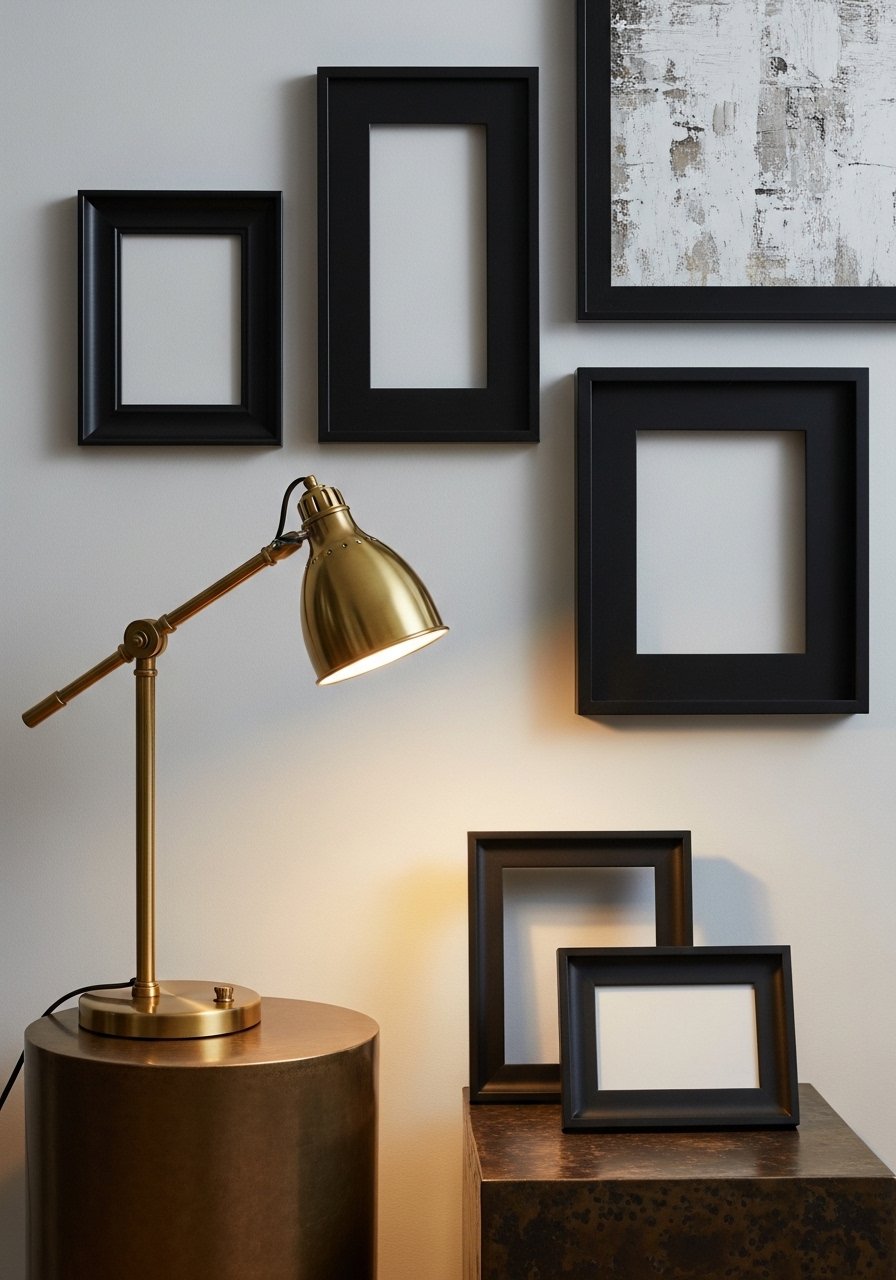
Mixing metal finishes is fine if you keep a primary finish and use others sparingly. I usually pick one dominant metal, like warm brass, then add one contrasting finish in small doses. Think of it as 2 parts primary to 1 part accent. Too many different metals makes the room read scattered. Swap out drawer pulls or lamp bases in the accent finish to tie things together without a full overhaul. For an easy swap try a small brass table lamp to introduce the finish.
Mistake to Avoid: Adding four or more unrelated metal finishes without a unifying thread.
11. Scent and Small Touches for Warmth
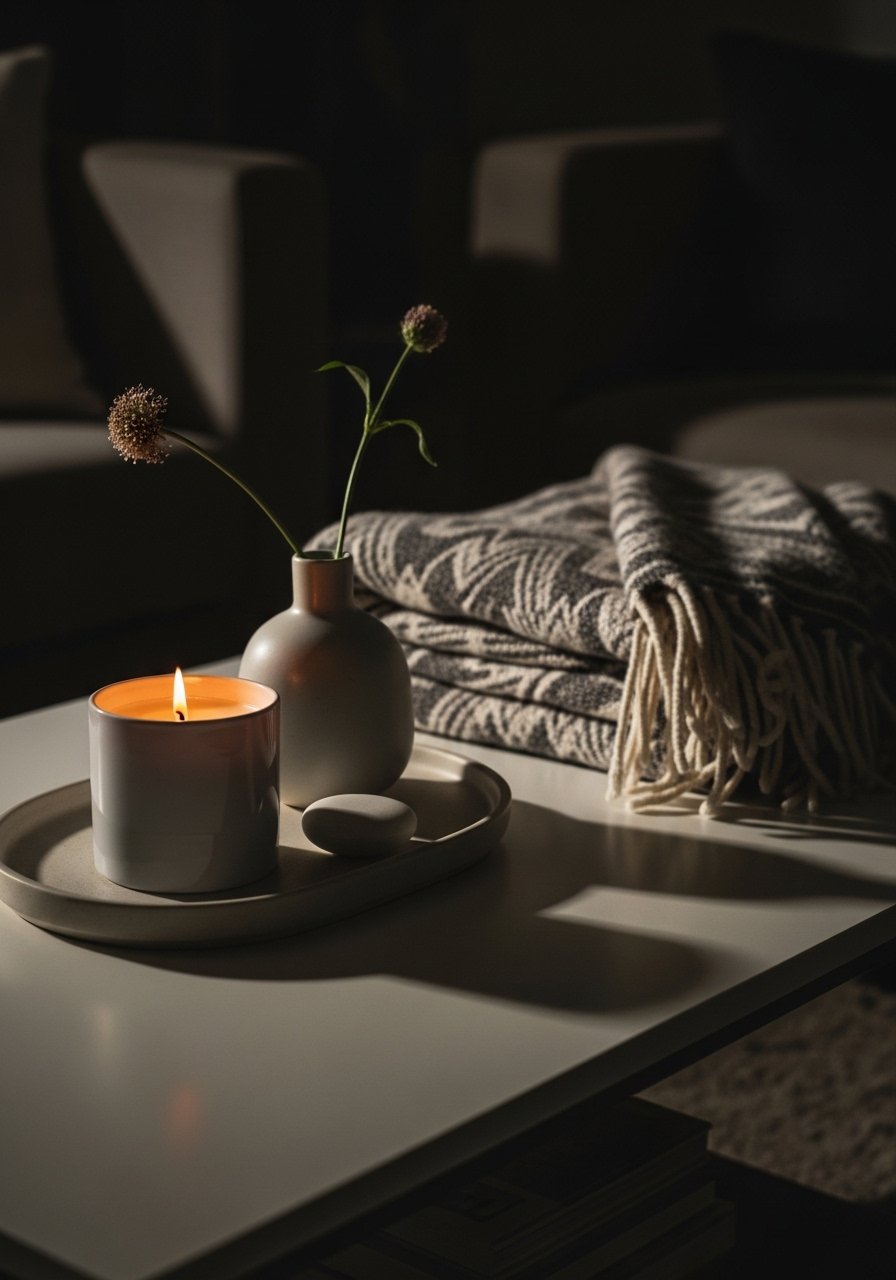
Scent is the final detail and it should be subtle. Start with a low-throw candle or a linen spray and build slowly so the scent feels layered, not cloying. Keep small touches like a folded throw and a tray of objects that are used regularly. I pick one signature scent for the living area and keep anything stronger, like incense, outside the main seating zone. A ceramic scented candle in a muted container doubles as decor and aroma.
Mistake to Avoid: Lighting the strongest candle in a closed room, which overwhelms rather than complements.
Small Styling Moves That Work
Thin coats beat one thick coat every time. When you swap a throw or pillow, first try a neutral base then add one patterned piece. A simple linen throw refreshes a sofa without reupholstery.
Grab velvet pillow covers for around $12 each. Change them seasonally and the whole room feels different without a large spend.
A lamp placed two inches closer to the seating area makes reading at night far easier. A compact table lamp saves glare and creates a cozier corner.
Everyone buys five small pillows. One oversized floor cushion anchors a reading nook better than several tiny cushions.